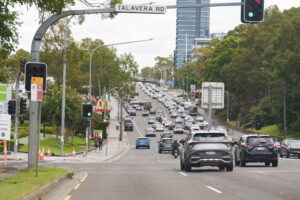
New Policy Institute Australia research featured in The Age finds that billions of dollars in state government concessions and cost-of-living support are flowing to higher-income households. The article highlights PIA analysis showing that in Victoria, the wealthiest 20 per cent of households received more than $207 million from vehicle registration discounts, compared with $100 million […]

New Policy Institute Australia research featured in The Age finds that billions of dollars in state government concessions and cost-of-living support are flowing to higher-income households. The article highlights PIA analysis showing that in Victoria, the wealthiest 20 per cent of households received more than $207 million from vehicle registration discounts, compared with $100 million […]

New Policy Institute Australia research featured in The Age finds that billions of dollars in state government concessions and cost-of-living support are flowing to higher-income households. The article highlights PIA analysis showing that in Victoria, the wealthiest 20 per cent of households received more than $207 million from vehicle registration discounts, compared with $100 million […]

Hit and miss: State and territory governments across Australia will fund around $12 billion of concessions and cost-of-living support to households this year. This support comes from a patchwork of programs, built up over decades, that has become a complicated, costly and inequitable system of household support. Together, the support is equivalent to around $1,100 for every Australian household, or up to 10% of tax revenue collected by the states. In some states, the support is equivalent to all gambling revenue or up to one-third of stamp duty revenue.

The Australian editorial argues that better means testing is essential to ensure government support is directed to Australians who need it most. It endorses Policy Institute Australia’s proposal to reform pensions, aged care, childcare and parental leave, saying the changes could save up to $21 billion a year while improving the fairness and sustainability of […]

Australian taxpayers are set to fund $2.7 billion in combined paid parental leave and childcare subsidies for households with incomes above $300,000 in the next financial year, according to Policy Institute Australia.

YourLifeChoices has highlighted new research from Policy Institute Australia proposing changes to Age Pension means testing, including counting a portion of high-value homes in the assets test. The report argues the reforms would better target support to those most in need while improving the long-term sustainability of Australia’s retirement income system.

Policy Institute Australia has proposed reforms to save up to $21 billion a year by better targeting government support. The changes focus on pensions, aged care, childcare and parental leave, directing assistance to those most in need. The report argues the reforms would make the welfare system fairer and more sustainable.
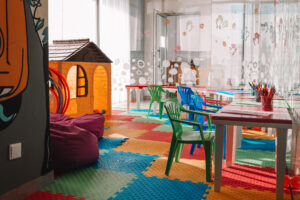
Policy Institute Australia estimates taxpayers provide $2.7 billion each year in Child Care Subsidy and Parental Leave Pay to high-income families who need little government support. The report argues current income thresholds are too generous and no longer well targeted. It recommends tightening means testing to better direct assistance to lower- and middle-income households while […]

Policy Institute Australia has proposed major reforms to Australia’s welfare system, including counting high-value homes in the Age Pension assets test and introducing a HECS-style Retirement Contribution Scheme. The reforms aim to better target support, improve fairness, and save up to $21 billion a yea